Custom ERP system development builds an ERP around your company’s processes, modules and reports, instead of forcing your team to adapt to a generic product. It pays off when your operations are unusual, when standard ERPs need heavy customisation anyway, or when per-user licences become expensive.
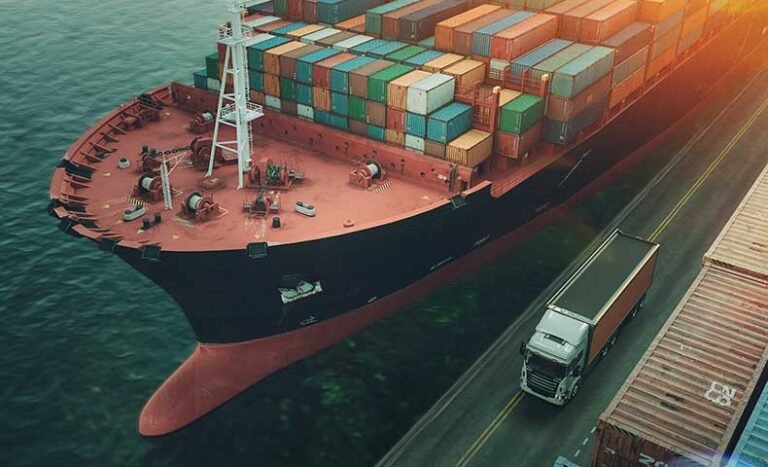
We build and run our own ERP products, including Yaguar for shipping and freight forwarding and Modity for container depots, alongside custom ERP projects for clients. That experience shapes the advice below, including the cases where we tell clients not to build one.
What an ERP actually is
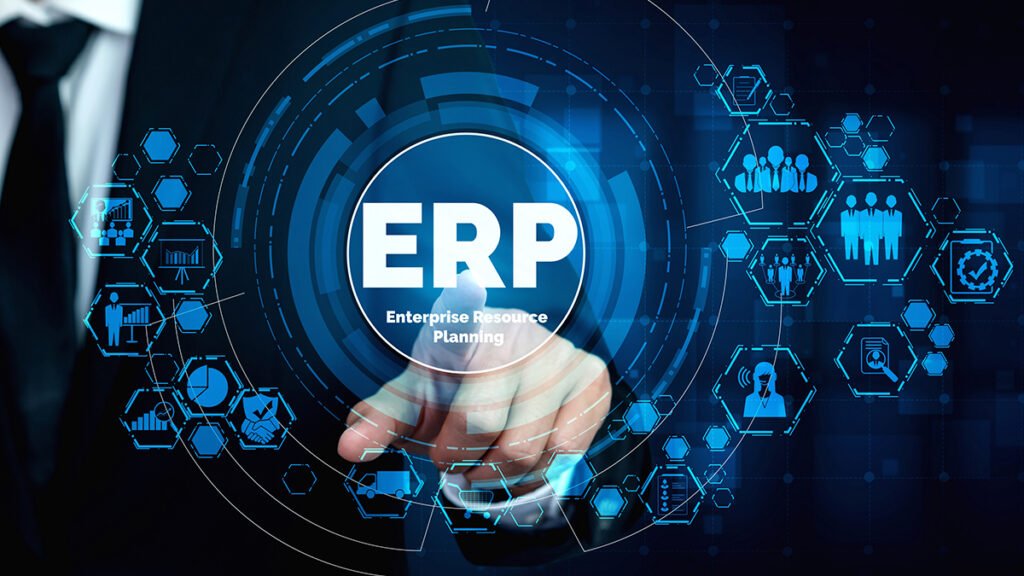
An ERP (enterprise resource planning) system connects the core processes of a business, so that a sale, a purchase, a stock movement and an invoice are all part of one record rather than four separate ones. Typical modules include sales and CRM, purchasing, inventory, operations specific to your industry, finance and accounting, HR and reporting.
When a custom ERP is worth building
- Your operations are the difference. Freight forwarding, container depots, microfinance and healthcare all have workflows that generic ERPs handle awkwardly.
- You are already paying for customisation. If a standard ERP needs heavy modification, the total cost can approach a purpose-built system that fits exactly.
- Licence costs grow with your team while the features you actually use stay the same.
- You need specific integrations, such as e-invoicing, bank files, customs portals or WhatsApp updates.
When it is not worth it
If your processes are standard, an established ERP with a large ecosystem will be cheaper, faster and better supported. We say so when that is the case.
How a custom ERP project runs
- Process mapping: we document how work flows today and where it breaks.
- Module priority: we agree the first release, usually the operational core that causes the most pain, not every module at once.
- Data model and integrations: we design the database and how it connects to existing systems.
- Build in sprints with demos, so your team shapes the system as it grows.
- Data migration: we import masters and open transactions, and reconcile totals before go-live.
- Parallel run and training: critical processes run in both systems briefly, so nothing is lost.
- Support and improvement after go-live, including new modules.
What drives the cost
The number of modules, the complexity of approvals and pricing rules, integrations, the number of user roles, reporting needs, data migration volume and post-launch support. A phased build spreads cost and reduces risk.
Risks to plan for
- Scope creep: agree a first release and hold to it.
- Dirty data: cleaning masters takes longer than teams expect.
- Adoption: train early and involve the people who will use it daily.
- Key-person risk: insist on documentation and handover from your developer.
Background reading: enterprise resource planning. If you are weighing a custom build, see our custom software development services or book a free discussion.
Frequently asked questions
How long does custom ERP development take?
It depends on modules. We usually deliver the operational core first, then add finance, HR and reporting in later releases.
Can a custom ERP connect to Tally or our accounting software?
Yes. We commonly integrate ERPs with accounting software, payment systems and government portals such as the GST e-invoice portal.
What happens to our old data?
We migrate masters and open transactions, validate totals against your existing reports, and keep the old system available read-only for a period.